

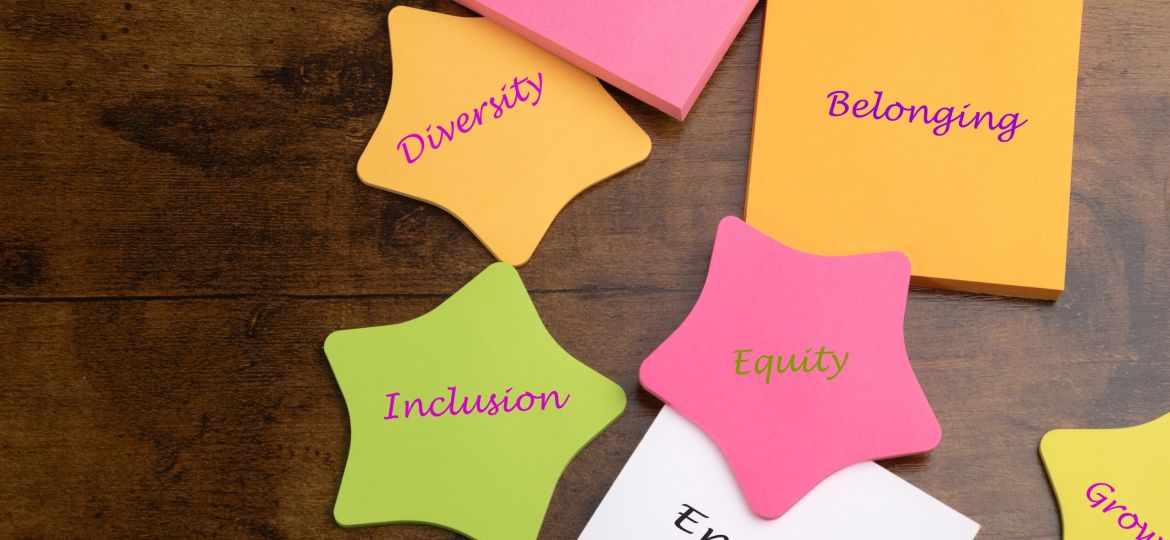
Political rhetoric, public backlash, and shifting headlines have made many leaders cautious about how or whether they engage with diversity, equity, inclusion, and belonging at all. I understand the caution, and I have also watched organizations pay a real price for allowing political noise to override sound organizational judgment.
Inside organizations, the underlying reality has not changed. Teams are still diverse in experience, perspective, identity, and worldview. Work is still complex. Markets are still global. Talent expectations are still evolving.
For executives willing to separate political debate from organizational reality, DEIB remains what it has always been when done well: a business strategy grounded in performance, risk management, innovation, and long-term value creation.
This is not about ideology. It is about capability.
What DEIB Actually Addresses
DEIB becomes controversial when it is framed as a moral position rather than an organizational discipline. At its core, DEIB work addresses how organizations leverage difference — of thought, background, experience, and perspective — to improve outcomes.
Diversity reflects the composition of the workforce, inclusion reflects how work gets done, and belonging reflects whether people feel safe enough to contribute fully. These are not abstract concepts. They show up in how decisions are made, how conflict is handled, how risk is surfaced, and how innovation occurs.
Organizations that understand this shift their question from whether DEIB matters to whether their leadership systems are designed to handle the complexity they already face.
Why Executive Support Still Matters
Research consistently shows that DEIB efforts stall without visible executive sponsorship — not because employees resist inclusion, but because systems default to familiar patterns under pressure.
Deloitte’s Global Human Capital Trends research identifies diversity and inclusion as CEO-level issues because they directly affect brand reputation, talent attraction, and organizational performance. Leaders who disengage from this work often do so quietly, creating confusion rather than clarity.
For skeptical executives, the relevant question is whether the organization’s leadership behaviors and systems reinforce trust, fairness, and accountability consistently — especially when doing so is uncomfortable. Disengagement does not eliminate risk. It relocates it.
Silence does not remove risk. It simply shifts where it shows up.
The Business Case: ROI and ROE
The business case for DEIB is strongest when leaders look beyond symbolism and focus on outcomes.
Tangible returns include:
-
Reduced legal and reputational risk
-
Stronger talent attraction and retention
-
Increased productivity and innovation
-
Better alignment with diverse markets and customers
Experiential returns—often overlooked but equally powerful—include:
-
Higher levels of trust and engagement
-
Stronger collaboration across differences
-
Increased learning agility and adaptability
-
Greater resilience during periods of change
Organizations that track both ROI (return on investment) and ROE (return on experience) are better positioned to sustain performance over time. They are measuring impact, not just participation.
Why DEIB Fails When It Becomes Performative
DEIB initiatives struggle when they are treated as programs rather than leadership capabilities.
Common failure points include:
-
Launching training without addressing decision authority or accountability
-
Expecting culture to change without adjusting incentives or systems
-
Communicating values without modeling them under pressure
-
Measuring sentiment without addressing structural barriers
Execution risk is real, particularly when initiatives are under-resourced or disconnected from strategy. This is not unique to DEIB—it is true of any organizational change effort.
The distinction with DEIB is that when it fails, the cost shows up in disengagement, mistrust, and attrition long after the initiative has ended.
What High-Performing Organizations Do Differently
Organizations that sustain DEIB as a leadership practice anchor it to business priorities rather than programs.
In practice they:
-
Equip leaders to navigate difference with clarity and skill
-
Reinforce psychological safety so issues surface early
-
Align talent systems with stated values
-
Measure progress honestly and communicate outcomes transparently
These organizations manage tension productively rather than absorbing it silently. They understand that inclusion creates the conditions where the best thinking can emerge — and that this is a competitive advantage, not a concession.
A Leadership Reflection
When difference is managed well, organizations gain clarity, trust, and performance. The question for executives is whether their leadership systems are capable of leveraging the diversity that already exists inside the organization — especially when pressure is high and the easier path is avoidance.
That is the question DEIB ultimately asks of leadership. And the organizations that answer it honestly are the ones that build the capability to perform across complexity.
How TISOMO Partners With Organizations
At TISOMO Consulting Group, we partner with leaders who want to move beyond symbolic DEIB efforts toward measurable organizational capability. Through executive coaching, leadership development, and strategic HR consulting, we work alongside organizations to align leadership behavior, decision systems, and people practices so inclusion strengthens performance over time.
To explore how TISOMO can support your organization, contact TISOMO Consulting Group.